


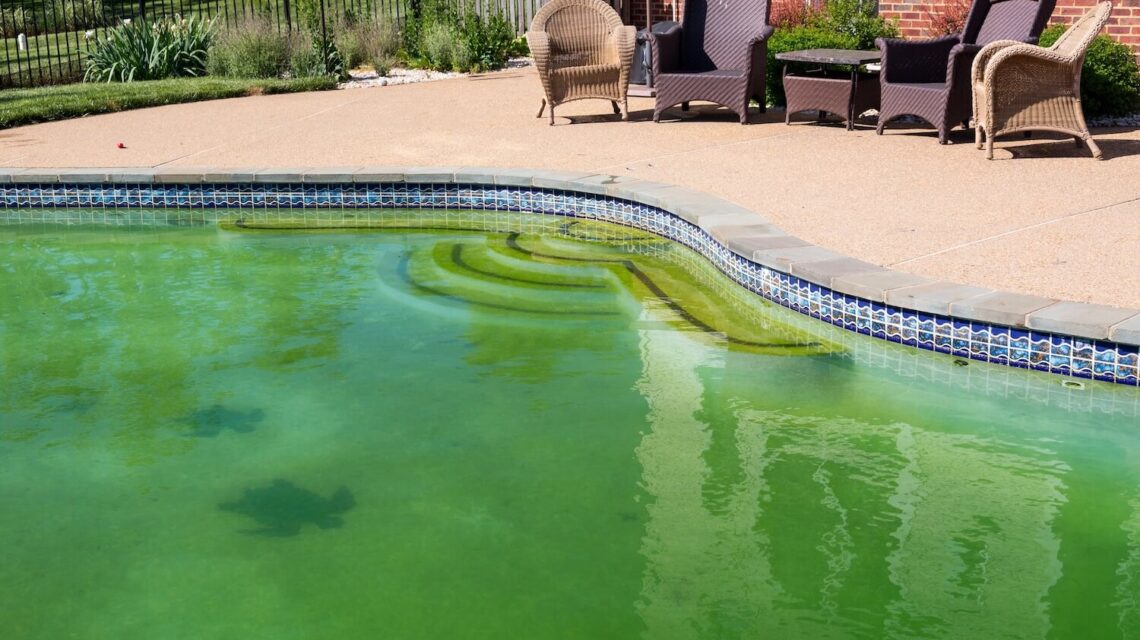
For a Florida homeowner, the backyard pool is the crown jewel of the property. It represents a cool refuge from the relentless subtropical heat, a place for children to play, and the centerpiece of weekend social gatherings. However, this dream can transform into a frustrating reality overnight. Many residents have experienced that sinking feeling of walking out to the patio only to find that the once-shimmering turquoise water has been replaced by a murky, stagnant, and decidedly green swamp. This transformation isn’t just an aesthetic eyesore; it is a complex biological takeover that requires more than just a few extra scoops of chlorine to fix.
The journey from a “swampy” mess back to a “sparkling” oasis is a specialized process. While many try to tackle the issue themselves, the unique environmental pressures of Central Florida often make professional pool cleaning intervention the fastest and most reliable path to recovery.
The Anatomy of a Green Pool
To understand how to fix a green pool, one must first understand why it happens. In places like Orlando, Kissimmee, and Davenport, the environment is perfectly calibrated for algae growth. High temperatures and intense UV radiation act as fuel for microscopic spores. When a pool’s sanitizer levels, typically chlorine, drop too low, these spores begin to multiply at an exponential rate.
Rain is another primary culprit. Central Florida is famous for its sudden, heavy afternoon thunderstorms. These deluges don’t just add water; they introduce nitrogen and environmental contaminants that drastically shift the pool’s chemical balance. This shift often renders the existing chlorine ineffective, creating a window of opportunity for an algae bloom. Poor water circulation is the final piece of the puzzle. Stagnant water is a breeding ground for bacteria and algae, meaning a failing pump or a clogged filter can turn a healthy pool green in less than forty-eight hours.
The First Step: Professional Pool Assessment
The rescue begins with a diagnostic phase. It is a common misconception that all green water is caused by algae. In some instances, high levels of copper ions in the water can react with chlorine to produce a similar greenish tint. A professional technician starts by testing the water’s core chemistry, specifically looking at pH, alkalinity, and sanitizer levels.
For a cleanup to be successful, the water’s pH must be brought into a specific range, usually around 7.2. If the pH is too high, any chlorine added during the “shock” phase will be significantly less effective. Pool Services of Central Florida utilizes precision testing to determine exactly what the water needs before a single chemical is added, ensuring that the restoration is efficient and cost-effective.
The Attack: Brushing and Shocking Treatment
Once the water is balanced, the physical labor begins. Algae is not just floating in the water; it is a living organism that clings to the pool’s surfaces. It forms a protective biofilm on the walls, floor, and even in hard-to-reach corners and behind ladder steps.
Professionals use heavy-duty brushes specifically designed for the pool’s surface, nylon for fiberglass, and steel for concrete or plaster. This process dislodges the algae, forcing it into the water where the chemicals can reach it. Following the brushing, the pool undergoes a “shock” treatment. This isn’t a standard maintenance dose; it is a super-chlorination process that often involves adding three to five times the normal amount of sanitizer. This aggressive approach is necessary to kill the algae spores completely and break down the organic matter that turned the water murky.
The Pool Filtration Marathon
Killing the algae is only half the battle. Once the “shock” has done its work, the pool is often left with a milky or cloudy appearance. This is actually a good sign; it means the algae is dead. However, the dead organic matter must now be removed from the water.
This is where the mechanical system of the pool earns its keep. During a green-to-clean pool restoration, the filtration system must run continuously, often for twenty-four to forty-eight hours straight. This is not a “set it and forget it” stage. As the filter pulls the dead algae out of the water, it becomes rapidly clogged. A professional technician will monitor the system, performing frequent backwashing or cleaning the filter cartridges to ensure maximum flow. Without this constant attention, the dead algae would simply settle back to the bottom, and the cycle of growth would begin all over again.
Dealing with Stubborn Pool Algae Varieties
While standard green algae is the most common issue, Central Florida homeowners occasionally face more difficult foes: Yellow (Mustard) algae and Black algae.
Mustard algae is particularly deceptive because it looks like fine sand or pollen settling on the floor. It is chlorine-resistant and can survive even after a standard shock treatment. Professionals must use specialized algaecides and even more aggressive brushing to eradicate it. Black algae is the most formidable opponent. It embeds its roots deep into the plaster of the pool. To kill it, a technician must literally “crack” the outer shell of the algae with a brush before applying localized chemical treatments. These specialized situations are where the expertise of a licensed contractor becomes invaluable, as improper treatment can lead to permanent staining or damage to the pool’s finish.
Why DIY Often Fails
Many homeowners spend hundreds of dollars at retail pool stores, buying bags of shock and bottles of algaecide, only to see the water remain cloudy. This usually happens because the underlying chemistry, like the stabilizer (cyanuric acid) levels, is out of whack. If stabilizer levels are too high, they can “lock” the chlorine, preventing it from working.
Furthermore, many don’t realize that in Florida, certain repairs and equipment installations are legally required to be performed by a licensed professional. Pool Services of Central Florida is a State Licensed Contractor, providing the peace of mind that all work is being done according to safety standards and environmental regulations. Professionals also have access to higher-grade commercial chemicals and more powerful vacuuming equipment that can bypass the filter entirely, “vacuuming to waste” to remove heavy debris quickly.
The Transition to Pool Maintenance
A “green to clean” rescue is a sprint, but keeping the pool sparkling is a marathon. Once the water is clear and the chemistry is balanced, the focus shifts to prevention. This includes regular vacuuming, emptying pump and skimmer baskets, and maintaining a strict weekly schedule of testing.
Neglecting these tasks even for a week during a Florida summer can invite a repeat performance of the algae bloom. This is why many residents choose to transition from a one-time rescue to a recurring service plan. By delegating the chemistry and cleaning to experts, the homeowner can stop worrying about the water and start enjoying it. Pool Services of Central Florida offers these comprehensive weekly services to ensure that the “swamp” never returns.
Protecting the Investment
Beyond the immediate desire for clear water, professional pool care is about protecting a major home investment. Algae and unbalanced water are corrosive. They can pit the pool’s surface, cause tiles to delaminate, and lead to the premature failure of expensive pumps and heaters. A neglected pool also attracts pests, such as mosquitoes, and can even result in fines from Homeowners’ Associations. By acting fast and hiring professionals, homeowners save money in the long run by avoiding major infrastructure repairs and maintaining the property’s curb appeal.
Frequently Asked Questions
How long does it take to clean a green pool?
Most professional restorations take between three and seven days. You will typically see a significant improvement within the first twenty-four to forty-eight hours as the chlorine begins to kill the algae and the filtration system starts clearing the debris.
Is it safe to swim in a slightly green pool?
No. Green pool water is a sign that there is insufficient sanitizer in the pool. This allows bacteria and pathogens to thrive, which can cause skin infections, ear aches, and stomach issues. You should only swim once the water is crystal clear and the chemistry has been professionally balanced.
Will a green pool damage my equipment?
It can. Algae and the debris that often accompanies it can clog filters and put undue strain on your pool pump. If the pump runs while dry or heavily restricted, the motor can burn out. Additionally, the unbalanced water chemistry that allows algae to grow can be corrosive to heaters and salt cells.
Can I just add more chlorine myself to fix the problem?
While chlorine is the primary tool used to kill algae, adding it without first balancing the pH and alkalinity is often a waste of money. If your pH is too high, the chlorine will not be effective. A professional ensures the environment is right for the chemicals to work before applying them.
What is the difference between “free” and “total” chlorine?
Free chlorine is the active sanitizer available to kill germs and algae. Total chlorine is the sum of free chlorine and “combined” chlorine (chlorine that has already reacted with contaminants). If your pool is green despite having high total chlorine, it likely means you have high combined chlorine and not enough “free” chlorine to do the job.
Why does my pool turn green even when I use a cover?
Covers can help keep out debris, but they can also trap heat, which algae loves. If the chemical levels under the cover aren’t maintained, or if the cover itself is dirty, algae can still bloom.
Pool Care Conclusion
The transformation of a pool from a murky green mess back to a shimmering paradise is a testament to the power of proper chemistry and mechanical efficiency, not just a skim water surface. In the demanding climate of Central Florida, where the sun and rain work tirelessly to disrupt the balance of your backyard oasis, having a professional team in your corner is the best way to ensure your pool remains an asset rather than a chore. Whether you are dealing with a post-storm bloom, a neglected vacation rental, or a stubborn case of black algae, expert care is the fastest route back to the water.