
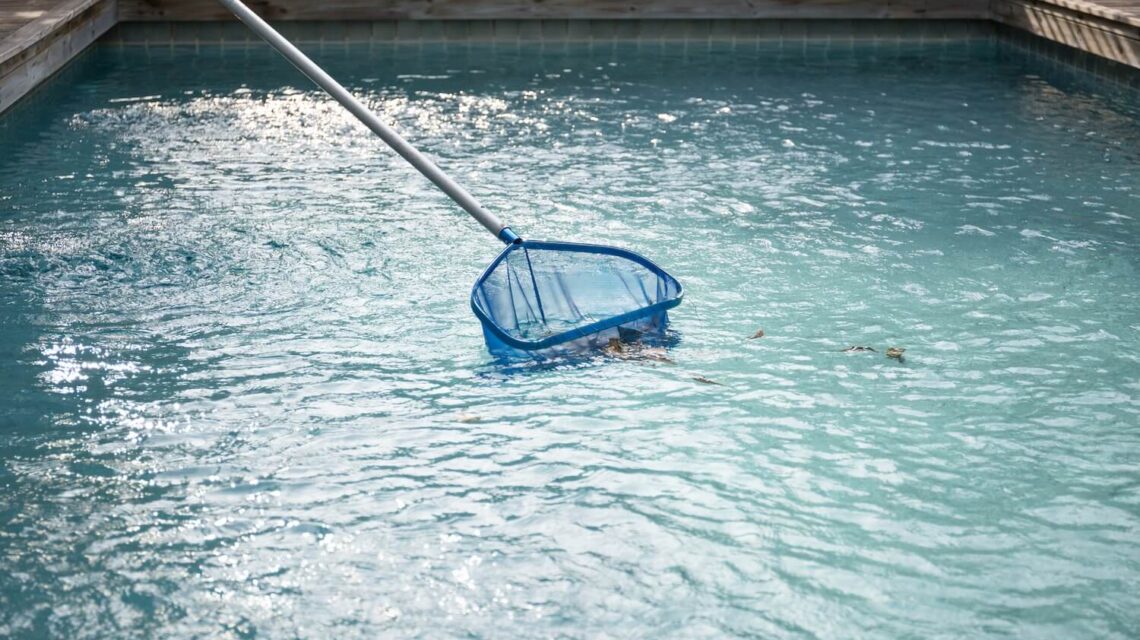
For many property owners, a swimming pool is the crown jewel of the backyard or commercial facility, a shimmering oasis of cool, clear water that promises relaxation and recreation. On a scorching afternoon, the invitation of a pristine pool is irresistible. However, that invitation relies on a delicate balance of science, mechanics, and vigilant oversight that remains largely invisible to the casual swimmer. While it is a common misconception that pool cleaning and maintenance is as simple as skimming a few leaves and adding a scoop of chlorine, the reality is far more complex. True pool health requires a sophisticated understanding of chemistry and engineering, proving that not all cleanings are created equal.
The Illusion of the “Simple” Pool Cleaning
The DIY enthusiast or the budget-conscious facility manager often views pool care through a narrow lens: if the water looks clear, the pool must be clean. This is a dangerous assumption. Professional pool service is much more than a cosmetic touch-up; it is a comprehensive preventive checkup akin to a medical exam for your property’s infrastructure.
A standard visit from a certified technician involves a multi-point inspection that covers everything from the structural integrity of the tile and grout to the silent operation of the filtration system. While a homeowner might spend an hour on a weekend skimming the surface, a professional team like Pool Services of Central Florida utilizes industrial-grade equipment and specialized knowledge to address the contaminants that the naked eye cannot see.
The Sophisticated Chemistry of Pool Water
The most critical, and often most misunderstood, aspect of pool maintenance is water chemistry. It is not merely about preventing the water from turning green; it is about creating a safe, hygienic environment that protects both the swimmers and the pool’s physical components.
Professional technicians perform precise chemical analysis, testing for a variety of parameters including pH levels, total alkalinity, calcium hardness, and sanitizer concentrations. Maintaining a pH between 7.2 and 7.6 is vital. If the water becomes too acidic, it can cause eye and skin irritation for swimmers and begin to corrode metal pipes, heaters, and ladders. Conversely, if the pH is too high, the water becomes scale-forming, leading to unsightly mineral deposits on tiles and a loss of effectiveness for the chlorine.
Furthermore, the “science” of professional service involves understanding the relationship between these levels. For instance, alkalinity acts as a buffer for pH; if it isn’t balanced between 80 and 120 ppm, the pH will fluctuate wildly, making the pool impossible to stabilize. Professionals also manage calcium hardness (ideally 200–400 ppm) to ensure the water doesn’t become “hungry” and begin leaching minerals directly out of the pool’s plaster or grout.
By using exact amounts of chemicals based on scientific readings rather than guesswork, professionals prevent the waste of expensive materials. Many DIY owners find themselves trapped in a cycle of “over-treating” their pools, adding unnecessary chemicals that lead to further imbalances, ultimately requiring a pro to step in and fix the mess.
The Mechanical Heart: Pumps, Motors, and Filtration
Beyond the water itself lies the mechanical “heart” of the pool: the circulation and filtration system. A pool is a living machine, and its longevity depends entirely on how well its components work together.
Professional maintenance includes a rigorous inspection of the pump and motor. Technicians listen for unusual noises that signal bearing failure, check for leaks in seals, and ensure the impeller is free from obstructions. This is crucial because a small leak caught early can save a property owner thousands of dollars in emergency repairs or complete motor replacements.
The filtration system is equally complex. Whether a pool utilizes sand, Diatomaceous Earth (DE), or cartridge filters, each requires specific maintenance protocols. For sand and DE systems, this involves “backwashing”, reversing the water flow to flush out trapped debris. Cartridge filters must be manually cleaned or replaced. A professional knows exactly when these interventions are necessary by monitoring pressure gauges; a clogged filter forces the pump to work harder, which not only risks equipment damage but also skyrockets energy costs.
The High Stakes of Commercial Pool Compliance
For commercial property managers, whether at a hotel, gym, or residential complex, the science of pool maintenance is also the science of compliance. Public pools are subject to strict health department regulations that do not apply to private backyards.
Professional service providers are well-versed in these local codes. They ensure that safety equipment, such as anti-entrapment drain covers and emergency communication devices, is functional and up to current standards. They also maintain the detailed documentation required by health inspectors. In a commercial setting, a chemical imbalance isn’t just an inconvenience; it is a liability that could result in fines or the immediate closure of the facility.
Expert teams like Pool Services of Central Florida understand that commercial pools face much higher “bather loads”, the number of people using the pool, which rapidly depletes sanitizers and introduces more organic contaminants like oils and sunscreen. This requires more frequent testing and specialized treatments to keep the water safe for the public.
The Economics of Efficiency
There is a common myth that hiring a professional is an unnecessary luxury. However, when you analyze the “bottom line,” professional service is often a primary way to save money.
One of the most significant cost-savers is energy efficiency. Modern pool technology, such as variable-speed pumps, can reduce electricity usage by up to 90% compared to traditional single-speed models. A professional technician can calibrate these systems to run at the optimal speed for your specific pool’s needs, ensuring the water remains clear without wasting power.
Additionally, consistent care prevents “point break” moments. These are the catastrophic failures that occur when small, ignored issues, like a minor leak or a slightly off-balance pH, suddenly manifest as a cracked pipe, a burnt-out heater, or a total algae bloom. The cost of a weekly service visit is a fraction of the cost of replacing a heat exchanger or resurfacing an entire pool because the plaster was etched by acidic water.
Beyond the Weekly Visit: Specialized Pool Services
The science of pool care extends into the “off-season” and the long-term life cycle of the vessel. In regions that experience cooler weather, professional winterization is essential. This involves blowing out plumbing lines with specialized air compressors and adding pool-safe antifreeze to prevent pipes from cracking during a freeze. It also includes “shocking” the water and adding metal sequestrants to prevent stains and scale from forming while the pool is under its cover.
For older pools, the professional touch includes modernization through automation and LED lighting. These upgrades are not just about aesthetics; LED lights use a fraction of the energy of halogen bulbs, and automation systems allow owners to manage heaters and pumps via smartphone, ensuring the pool is only consuming energy when necessary. Because many of these installations involve complex electrical work, they often require a licensed contractor to ensure the manufacturer’s warranty remains valid.
The Professional Advantage in Central Florida
Choosing a local pool expert is paramount because pool needs vary by climate and geography. Pool Services of Central Florida has spent over 15 years navigating the unique challenges of the Florida environment, from high heat and humidity to the intense bather loads of a tourism-driven region. Being family-owned and operated, they bring a level of personal accountability and specialized knowledge to every job, whether it’s a routine weekly pool cleaning or a complete pool renovation.
By outsourcing the technical burdens of chemistry, mechanical diagnostics, and regulatory compliance, pool owners gain the one thing a pool is actually meant to provide: peace of mind. Instead of spending your weekends troubleshooting a pump or wrestling with chemical kits, you can simply step into the water and enjoy the results of a professionally maintained sanctuary.
Frequently Asked Questions
How often should a quality professional service my pool?
Most industry experts recommend weekly or bi-weekly visits. This frequency is necessary to maintain chemical stability, as weather changes and bather loads can cause levels to shift rapidly.
Can professional maintenance actually lower my monthly bills?
Yes. By keeping filters clean and ensuring pumps are operating at peak efficiency, professional service reduces the electricity required to circulate water. Additionally, pros use exact chemical dosages, preventing the waste of expensive supplies.
What is the difference between residential and commercial pool care service?
Commercial pools face stricter health department regulations and much higher usage. They require more frequent testing, specialized safety equipment inspections, and detailed documentation to remain compliant and avoid liability.
Do I need to worry about my pool in the winter if I’m not using it?
Absolutely. Neglecting a pool during the off-season can lead to permanent staining from organic debris and scale buildup from unbalanced water. Professional winterization protects the plumbing and surfaces from damage.
What are the benefits of switching to a saltwater system?
Saltwater pools use a process called electrolysis to generate chlorine from salt, resulting in water that is gentler on the skin and eyes. While they have a higher upfront cost, they often offer a more automated and consistent maintenance experience.
Is it really necessary to hire a licensed contractor for equipment repairs?
In many areas, it is a legal requirement. Furthermore, most major equipment manufacturers now require installation by a licensed professional to honor the product warranty. Using a licensed and insured provider also protects you from liability.
Conclusion
The difference between a “clear” pool and a “healthy” pool is the science behind the service. From the invisible intricacies of water chemistry to the mechanical precision of the circulation system, professional care ensures that your investment is protected for the long haul. Whether you are a homeowner looking to reclaim your weekends or a facility manager responsible for public safety, the expertise of a team like Pool Services of Central Florida provides the specialized knowledge required to keep your water perfect, your equipment efficient, and your swimmers safe. Don’t leave your pool’s health to chance; embrace the science of professional service and enjoy your oasis with total confidence.